What you’ll learn in this article…
- Peabody College is ranked #1 in special education, education policy, and administration.
- Vanderbilt's M.Ed. costs $2,142 per credit for all students regardless of residency.
- M.Ed. graduates have a median salary of $55,000 after one year.
Vanderbilt University’s Peabody College is ranked fifth among all education schools nationally, yet leads in three specialties: special education, education policy, and educational administration, each ranked first by U.S. News & World Report in 2026.
Its M.Ed. programs span literacy coaching, higher education administration, and more, delivering specialized expertise grounded in research and immediate classroom application.
For practicing teachers, the calculus is direct: Will the cost and time invested in a master’s degree yield measurable career advancement? Peabody’s strong job placement and partnerships with Nashville schools suggest an investment that pays dividends.
Master's in Education Programs at Vanderbilt University
Secondary Education
- 6 concentration options
- 2-Year program
- 36 total credit hours
- Rolling admissions
- Starts fall
- 96% job placement rate
- Financial aid available
- Scholarships available
- Two tracks: student teaching or job-embedded
- Subject-specific pedagogy courses
- Field-based practicum work
- First aid and CPR training required
- Foreign language requirement for English
- Faculty advisor for elective choices
- Guaranteed 30% Tuition Scholarship
- Careers in public, private, charter schools
- 6 concentration options
- 2-Year program
- 33 total credit hours
- Rolling admissions
- 1 start dates per year
- Starts fall
- 96% job placement rate
- Financial aid available
- Scholarships available
- 2-year program includes licensure
- 96% employment/graduate school rate
- Teacher Pathway scholarship available
- Job-embedded pathway available
- Field-based practicum experience
- Priority decision deadlines in January and February
- 6 concentration options
- 2-Year program
- Rolling admissions
- Starts fall
- 96% job placement rate
- 8 clinical hours
- Financial aid available
- Scholarships available
- Teacher Pathway scholarship: 30% minimum
- Two pathways: student teaching or job-embedded
- Faculty advisor for course selection
- Licensure options include Music and Multilingual Education
- Field-based internship in secondary schools
- 6 concentration options
- 2-Year program
- 33 total credit hours
- Rolling admissions
- Starts fall
- 96% job placement rate
- Financial aid available
- Scholarships available
- Social Studies licensure for grades 6-12
- Job-embedded teaching pathway
- Field-based practicum experience
- Faculty research on social change
- Priority Decision 1 deadline January 3
- 4 concentration options
- 2-Year program
- 33 total credit hours
- Rolling admissions
- Starts fall
- 96% job placement rate
- Scholarships available
- Collaborate with faculty on current research
- Gain invaluable experience teaching at middle and high school levels
- Two tracks: student teaching or job-embedded
- Field-based practicum work
- Opportunity to teach in public, private, or charter schools
- Faculty advisor assigned
Special Education
- 3 concentration options
- Rolling admissions
- Starts fall
- 100% job placement rate
- Thesis or capstone option
- Financial aid available
- Scholarships available
- U.S. News & World Report top-ranked program
- Teacher Pathway Scholarship available
- U.S. Department of Education grants eligible
- Programs of study planned with faculty advisor
- Hands-on field experiences and supervised research
- Rolling admissions
- Starts fall
- 100% job placement rate
- Thesis or capstone option
- Financial aid available
- Scholarships available
- Ranked among best by U.S. News
- Hands-on field experiences and research
- Faculty advisor assigned
- Eligibility for Teacher Pathway Scholarship
- Focus on early childhood special education
- Priority deadline: December 1
- U.S. Dept of Education grants available
- Meets teacher preparation requirements
- 3 concentration options
- Rolling admissions
- Starts fall
- Financial aid available
- Scholarships available
- Prepares to teach students with severe disabilities
- Careers: special education teacher, advocate
- Funding from OSEP grants
- Tuition remission and stipend available
- Research lab: Lambert Lab
- Thesis or specialty project option
- Field experiences and student teaching
- Interdisciplinary course: AAC
TESOL & Multilingual Learners
- 4 concentration options
- 1-Year program
- As little as one academic year
- 30 total credit hours
- Rolling admissions
- Starts fall
- Financial aid available
- Scholarships available
- Ranked #5 by U.S. News & World Report
- Initial Teacher Licensure and ESL Endorsement Available
- Campus-based with licensure and non-licensure tracks
- Expert faculty leaders in multilingual education
- Hands-on immersive experiences with communities
- 33 total credit hours
- Ranked #5 in curriculum and instruction
- Initial teacher licensure and ESL endorsement
- Faculty-led research in educational linguistics
- Teacher Pathway Scholarship with 30% minimum
- Merit-based scholarships automatically considered
- Campus-based program with licensure track
- Hands-on immersive experiences with learners
- Prepares for careers as ESL or world language teacher
- 4 concentration options
- 1-Year program
- As little as one academic year
- 30 total credit hours
- Rolling admissions
- Starts fall
- Financial aid available
- Scholarships available
- Ranked #5 by U.S. News
- Initial teacher licensure available
- Multiple pathways to specialize
- Merit scholarships automatically considered
- Teacher Pathway Scholarship 30% minimum
- Faculty-led research in educational linguistics
- Campus-based with licensure tracks
- ESL endorsement available
Elementary Education
- 11-Month program
- 33 total credit hours
- Rolling admissions
- Full-time enrollment
- Starts summer
- 100% job placement rate
- Capstone required
- Financial aid available
- Scholarships available
- K–5 teacher licensure included
- Ranked #5 by U.S. News & World Report
- Teacher Pathway Scholarship (30% min.)
- Two full days per week in local schools
- Curriculum emphasizes literacy, math, science, STEAM
- Partnerships with Nashville-area schools
Higher Education & Adult Education
- 2-Year program
- Can be completed in one year by enrolling in online and summer courses
- 36 total credit hours
- Rolling admissions
- 1 start dates per year
- Starts fall
- 93% job placement rate
- Financial aid available
- Built-in practicum experience
- Full-time, campus-based program
- Ranked #1 in Educational Administration by U.S. News
- Ranked #9 in Higher Education Administration by U.S. News
- Faculty-led research opportunities
Reading & Literacy
- 3-Semester program
- Complete in three-semester program
- 30 total credit hours
- Rolling admissions
- 2 start dates per year
- Starts summer/fall
- Financial aid available
- Scholarships available
- Designed for licensed teachers or equivalent experience
- Add-on reading specialist endorsement
- Dual ELL and reading specialist endorsements possible
- Focus on literacy coaching and professional development
- 97% employed or in graduate school within 4 months
- Graduates become reading specialists, literacy coaches, interventionists
- Faculty expertise in struggling readers and community literacy
Peabody College: A Legacy of Excellence in Education
Peabody College is the school of education and human development at Vanderbilt University, combining a rich 213-year history1 with a forward-looking approach to teaching, research, and service. Peabody College merged with Vanderbilt in 19792 and has grown into one of the most respected education colleges in the United States.
A Historic Foundation
Peabody’s roots stretch back to the early days of American education. Its motto, "Education, a debt due from present to future generations,"5 reflects a mission that has guided the college for more than two centuries. Today, Peabody enrolls roughly 2,700 students, including 1,500 undergraduates, 1,000 graduate and professional students, and 200 doctoral candidates, across 38 degree programs.4 The college holds national accreditation for teacher education (NCATE) and counseling (CACREP)2, signaling its commitment to rigorous professional preparation.
National Recognition
Education observers often place Peabody among the five or six strongest colleges of education in the country.3 This reputation is built on a foundation of influential research, a prolific faculty, and graduates who lead schools, districts, and policy organizations nationwide. The college is home to multiple research centers that shape classroom practice and policy, including the Center for Teaching, Learning, and Curriculum, which develops evidence-based instructional strategies and professional learning models.
What Sets Peabody Apart
Peabody distinguishes itself through intentionally small class sizes that foster close mentorship and collaboration. Faculty members are not only accomplished scholars but also experienced practitioners who bring real-world context into every discussion. The college’s deep emphasis on equity and innovation ensures that graduates are prepared to address pressing challenges in diverse educational settings, from urban public schools to higher education institutions and beyond.
Graduate Programs for Today’s Educators
Within this vibrant academic community, Peabody offers a range of Master of Education (M.Ed.) programs designed to meet distinct career goals. Students choose from six specializations that span teaching, leadership, policy, and human development. Each path combines rigorous coursework with applied experiences, allowing working professionals and full-time students alike to deepen their expertise without putting their careers on hold.
M.ed. Specializations at Vanderbilt: Finding Your Focus
Some educators seek the most direct route to a teaching license, while others are building expertise in a specialized field like literacy coaching or higher education administration. Vanderbilt Peabody College offers an array of M.Ed. pathways that reflect this diversity, each grounded in research-to-practice training, clinical experience, and close faculty mentorship.
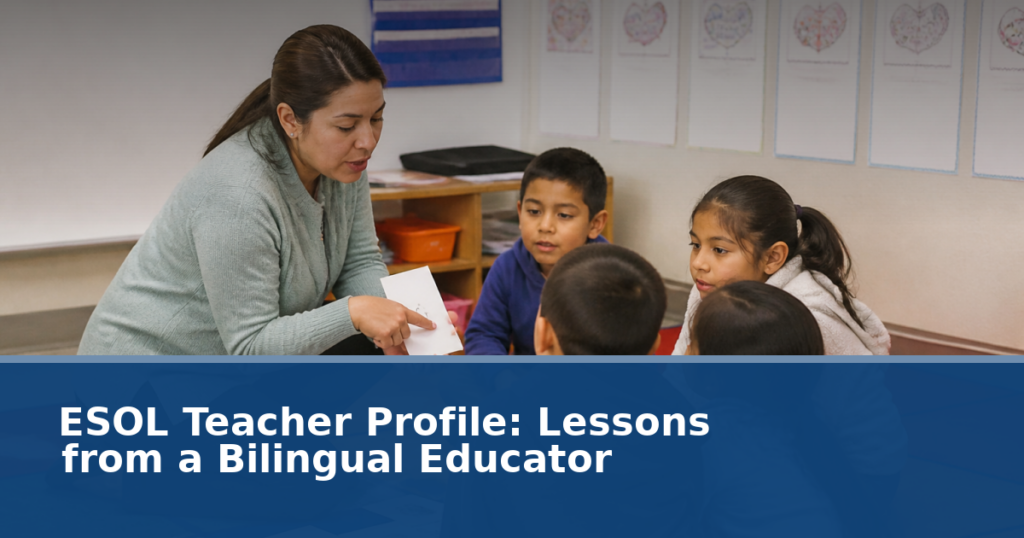
Multilingual Education (TESOL)
For pre-service and in-service teachers who want to work with multilingual learners, this program provides both initial licensure and ESL endorsement options1. The residential M.Ed. requires 30-33 credits and offers evening classes to accommodate working professionals. Three distinct pathways let you tailor your focus: Applied Languages and Literacies Studies, Teaching Multilingual Learners (initial licensure), and Teaching Multilingual Learners (add-on endorsement). An online version is also available, completing in as few as 15 months (based on 2024 data)2; it includes earning embedded certificates in TESOL and Improving Learning through Applied Research. Both formats emphasize asset-based pedagogies, second language acquisition theory, and extensive field-based practice in Nashville-area schools.
Special Education, Literacy, and More
Peabody’s additional M.Ed. specializations address a range of professional goals. The special education master’s degree program special education master’s degree develops inclusive practices and collaboration skills for supporting students with disabilities across settings. The reading and literacy track prepares educators for literacy coaching and intervention roles, with a strong emphasis on evidence-based instruction. For those interested in postsecondary contexts or adult learning, the higher education and adult education concentration offers flexible scheduling tailored to working professionals. Elementary and secondary education programs deliver comprehensive pedagogy and content-area methods, often leading to Tennessee teaching licensure. Each specialization includes a supervised clinical component, ensuring that graduates enter the field with hands-on experience and a network of practitioner colleagues.
Choosing a Path
Prospective students should weigh factors like licensure needs, desired work setting, and schedule flexibility. The Multilingual Education M.Ed. is a strong fit for those committed to language diversity and ESL teacher requirements, while the special education and literacy tracks suit educators who want to become specialists. The higher education option appeals to those aiming for careers in student affairs, academic advising, or nonprofit leadership. Regardless of the chosen track, all Vanderbilt M.Ed. students benefit from Peabody’s reputation for rigorous preparation and a lifelong professional community.
Delivery Formats: Online, On-Campus, and Hybrid Options
Choosing a master's program often comes down to how you learn best and what your current life demands, balancing work, family, and the desire for a transformative educational experience. Vanderbilt Peabody College recognizes this tension and has designed its M.Ed. offerings to meet professionals where they are, with fully online, on-campus, and flexible study paths that keep career momentum going.
Fully Online Programs
For educators and aspiring leaders who need maximum flexibility, several M.Ed. tracks are delivered entirely online with no required campus visits:
- Educational Leadership & Organizational Effectiveness: This 100% online program includes optional in-person convenings for networking and collaboration, but they are not mandatory. Students complete coursework asynchronously while engaging with faculty and peers through a dedicated virtual platform.
- Innovative Design and Technology in Education (IDeaTE) Online M.Ed.: A fully online version of the residential program, it mirrors the same curriculum and allows students to advance their skills in learning design without relocating.1
- Multilingual Education Online M.Ed.: Designed for teachers working with multilingual learners, this track is entirely online and mirrors the on-campus experience, with no required trips to Nashville.1
- Applied Behavior Analysis Online M.Ed.: This program is fully online, preparing students for certification in behavior analysis while accommodating work schedules.1
All online programs are structured to provide the same rigorous Peabody education as their residential counterparts, with a focus on interactive, cohort-based learning.1
On-Campus Programs
For those who thrive in a traditional academic setting, Vanderbilt offers immersive, full-time, in-person experiences on its Nashville campus:
- Innovative Design and Technology in Education (IDeaTE) Residential M.Ed.: A face-to-face program that emphasizes hands-on design projects, collaboration in dedicated labs, and close mentorship from faculty.
- Multilingual Education Residential M.Ed.: Full-time, on-campus study gives students direct access to research centers, local schools, and a vibrant community of practice.2
- Special Education M.Ed.: This program is campus-based, combining coursework with clinical placements in local districts to build deep practical expertise.3
These residential options are ideal for students who can dedicate themselves to full-time study and want the rich, daily interaction that comes with living and learning on a major research university campus.
Programs with Flexible or Hybrid Elements
Some programs blend formats to offer a bridge between convenience and in-person engagement:
- Higher Education Administration M.Ed.: The core is delivered primarily on campus, but students can accelerate their progress by selecting online courses when available. This hybrid approach allows working professionals in higher education to maintain their job while pursuing the degree, with a schedule that adapts to their needs.
No matter the format, each Peabody M.Ed. leverages Vanderbilt’s exceptional faculty and resources. The decision ultimately rests on your learning style, location, and professional timeline, and Vanderbilt has crafted its delivery options to ensure you can find a path that fits.
Tuition and Financial Aid: Investing in Your Education
Unlike state universities where tuition depends on residency, Vanderbilt Peabody College charges a flat per-credit rate for all master's in education students, whether they study online or on campus.
Tuition and Fees: A Clear Breakdown
For the 2025-2026 academic year, the per-credit tuition rate for M.Ed. programs is $2,405, with no distinction between online and on-campus instruction.1 For the 2026-2027 year, students will also need to budget for mandatory fees:2
- Student service fee: $694 per semester
- Transcript fee: $100 (one-time)
- Student health fee: $882 per semester
Based on a typical course load, the estimated total direct cost for 2026-2027 is $46,532, covering tuition and required fees.2 Indirect expenses such as books ($500) and housing ($16,128) are not included and should be planned for separately.3
Scholarship and Fellowship Opportunities
All M.Ed. applicants are automatically considered for merit-based scholarships; no separate application is required.4 The Teacher Pathway Scholarship is a notable option, offering a 30% tuition reduction for students pursuing initial licensure or advanced teaching programs. The Teacher Leadership track within this scholarship provides a 20% award.4 For veterans and active-duty military, the Bass Military Scholars Program awards substantial support; its application deadline is February 15.2 Peabody also administers a limited number of competitive fellowships that may cover full tuition or provide living stipends.4
Graduate Assistantships and Federal Loans
A key strategy to offset costs is securing a graduate assistantship. Positions in research, teaching, or administration often include a tuition waiver (remission) and a monthly stipend, significantly reducing the net price. Availability varies by department, so early inquiry is advised. For federal financial aid, Vanderbilt's FAFSA school code is 003535.2 Students taking at least six credits qualify for Federal Direct Unsubsidized Loans, which are not based on financial need.45 Need-based grants, while less common at the graduate level, may be available through the university or external sources.
Taking the Next Step with Financial Aid
Prospective students should file the FAFSA as soon as possible and explore assistantship openings with their program of interest. External funding from professional organizations and state-specific grants (see Tennessee teacher incentives) can further close the gap. Peabody's financial aid office provides one-on-one counseling to help you build a sustainable funding package.
What Does a Vanderbilt M.ed. Really Cost?
The total investment for a one-year master’s degree reaches well beyond tuition alone. Below is the estimated cost of attendance for a full-time M.Ed. student at Peabody College during the 2025-2026 academic year, assuming a 30-credit hour program and off-campus living expenses.

Questions to Ask Yourself
Admissions Checklist: What You Need to Apply
Applying to a Vanderbilt M.Ed. program requires careful preparation. Here's what you'll need to submit.
- Bachelor’s degreeA completed bachelor’s degree from an accredited institution is required. No minimum GPA is specified, but a strong academic record is expected.
- Official transcriptsSubmit official transcripts from all colleges and universities you have attended. Unofficial copies may be accepted initially, but official ones are required for enrollment.
- Letters of recommendationTwo letters are required, and three are preferred. These should come from academic or professional references who can speak to your potential for graduate study.
- Statement of purposeA personal statement outlining your career goals, why you are pursuing this degree, and how Vanderbilt’s program fits your aspirations.
- Résumé or CVA current professional résumé or curriculum vitae highlighting your education, work experience, and relevant accomplishments.
- GRE scoresThe GRE is optional for most M.Ed. programs. Check the requirements of your desired specialization, as some may still request scores.
- Application feeA nonrefundable fee is required, though fee waivers may be available for qualifying students. Contact the admissions office for details.
- DeadlinesFor 2026 entry, priority deadlines are December 1, January 3, and February 3, depending on the program and desired start term. Check the specific program page for exact dates.
Vanderbilt's Peabody College is ranked fifth nationally among education schools, yet it leads the nation in three specialties: special education, education policy, and educational administration, all ranked #1 by U.S. News & World Report in 2026.
Career Outcomes: Where a Vanderbilt M.ed. Takes You
For many educators, the decision to pursue a master's degree comes down to a simple calculation: Will the investment translate into meaningful career advancement and long-term financial security? Vanderbilt Peabody College answers that question with a strong combination of near-term employment outcomes and sustained professional growth.
Strong Employment Rates Across Programs
Vanderbilt's M.Ed. graduates consistently enter the workforce quickly. In 2025, Peabody College reported that 95% of all M.Ed. graduates were employed within six months of finishing their degrees. Several programs achieve even higher rates: Elementary Education, Special Education, and the Human Development Counseling (both School Counseling and Clinical Mental Health Counseling tracks) all achieved 100% placement rates in recent cohorts. The Secondary Education program posted a 96% rate, and Child Studies ranged from 97% to 100%.
Career Paths and Sample Placements
A Vanderbilt M.Ed. opens doors across the education landscape. Common roles include instructional coordinator, curriculum specialist, reading specialist, ESL teacher, higher education administrator, and educational consultant. Peabody graduates have secured positions such as: - Instructional leadership: Senior Assistant Director of Admissions at Northwestern University (Higher Education Administration M.Ed.1) - K-12 specialist: Behavior Interventionist at Freedom Preparatory Academy in Memphis (Child Studies M.Ed.) - Classroom teaching: Eighth Grade Science Teacher at Jefferson Middle School in Champaign, Illinois (Secondary Education M.Ed.)
These placements reflect the program's reputation for preparing educators who can lead in schools, districts, and nonprofit organizations.
Earnings Potential and Return on Investment
While program-level earnings data from the College Scorecard is not yet published for the most recent cohorts, broader trends confirm the value of a master's in education. According to the Bureau of Labor Statistics, instructional coordinators earn a median salary above $66,000, with top earners exceeding $105,000. Graduates moving into higher education administration or consulting often see six-figure trajectories. Vanderbilt's career services team notes that early-career salaries for M.Ed. graduates are consistently competitive with national benchmarks, and the degree pays for itself through faster advancement and higher earning potential.
The Peabody Network and Lifelong Career Support
Beyond the initial job placement, Peabody's career outcomes are strengthened by an active alumni network of over 20,000 education professionals worldwide. Graduates gain access to career coaching, job fairs, and mentorship programs both during their studies and after commencement. The Nashville location is a hub for education innovation, with connections to Metro Nashville Public Schools, the Tennessee Department of Education, and numerous edtech startups. This ecosystem provides ongoing opportunities for lateral moves, promotions, and leadership roles that compound the return on a Vanderbilt degree.
Related Articles
Beyond the Master’s: PHD in Curriculum & Instruction at Vanderbilt
The PhD in Curriculum and Instruction at Vanderbilt’s Peabody College is a full-time, research-intensive doctoral program designed to develop scholars who lead innovation in curriculum design, teaching, and learning. The program is built on a close mentorship model, where students collaborate with faculty on original research from day one. Please note: as of July 2026, admissions to this program are temporarily paused. The following details reflect the program’s typical structure, funding, and requirements when actively enrolling.
A Research-Intensive Cohort Experience
The program requires 72 credit hours1 and follows a cohort-based, apprentice-style mentorship model2. Students gain deep expertise in qualitative, quantitative, and mixed methods3, while working alongside faculty on projects that shape educational practice. The curriculum blends core seminars in curriculum theory, advanced research methods, and a specialized concentration tailored to each student’s interests. The dissertation phase demands original scholarship that contributes meaningfully to the field.
Generous Multi-Year Funding
When applications are open, Vanderbilt typically offers a comprehensive funding package that covers full tuition, a competitive annual stipend, and health insurance for up to five years4. This support enables students to dedicate themselves entirely to coursework and research without financial strain. The five-year guarantee aligns with the program’s emphasis on sustained, deep inquiry.
Curriculum and Specialization
Core coursework includes seminars in curriculum theory, learning sciences, and advanced research methodologies. Students then choose a specialized area, such as literacy, mathematics education, or teacher learning, and complete a series of advanced seminars and independent research. The dissertation is the capstone, requiring a rigorous defense of original findings. Throughout, students present at conferences and publish in peer-reviewed journals, building a scholarly portfolio.
Admissions and Faculty Fit
Admissions decisions rest heavily on research alignment with faculty. A bachelor’s degree is the minimum requirement5, though a master's in curriculum and instruction or a related field is preferred. The application package typically includes: - GRE scores: General test results are required. - Writing sample: An academic paper that demonstrates analytical and research abilities. - Statement of purpose: A clear articulation of research interests and how they match faculty expertise. - Letters of recommendation: Three references who can speak to scholarly potential.
The traditional deadline is December 1 for fall admission2. Prospective students are strongly encouraged to reach out to faculty members well in advance to discuss shared research interests.
Frequently Asked Questions About Vanderbilt’s Education Programs
Choosing a graduate program in education raises many questions. Below are answers to common inquiries about Vanderbilt's master’s and doctoral offerings, admissions requirements, and financial support.
What M.Ed. specializations does Vanderbilt offer?
Vanderbilt’s Peabody College offers M.Ed. specializations in Educational Leadership and Organizational Effectiveness, Multilingual Education, Child Studies, Secondary Education, Elementary Education, Integrated Early Childhood Education, Innovative Design and Technology in Education, and Independent School Leadership. These programs cover a range of interests from policy to classroom practice.
Is the GRE required for admission?
As of 2026, Vanderbilt Peabody College has adopted a GRE-optional policy for all M.Ed. programs. Applicants are not required to submit GRE scores, but those who feel their scores strengthen their application may include them.1
Can I complete my M.Ed. online?
Yes, Vanderbilt now offers several online M.Ed. programs, including Educational Leadership and Organizational Effectiveness. In 2026, Peabody College announced four new online master’s degrees to expand flexible options for working educators.1 Other specializations remain on-campus, with some available in hybrid formats.
How long does it take to complete the M.Ed.?
Program length varies by specialization. The Elementary Education M.Ed. can be completed in as few as 11 months2, while most programs range from 15 to 24 months. For example, Educational Leadership online takes 15-24 months1, and Child Studies takes 24 months. The pace may depend on full-time or part-time enrollment.
What financial aid is available?
Vanderbilt guarantees a minimum 30% tuition scholarship for all accepted students in initial licensure and advanced M.Ed. programs3. Additional financial aid may include federal loans, work study, and external scholarships. Doctoral students in Teacher Leadership may receive at least 20% scholarship3. Prospective students should complete the FAFSA and explore program-specific awards.
What is the average class size?
Vanderbilt does not publicly report average class sizes for individual M.Ed. programs. However, Peabody College is known for its intimate learning environment, with many seminars and practicum courses capping at 15-20 students to ensure close faculty mentorship and peer collaboration.
Does Vanderbilt offer a PhD in Education?
Yes, Vanderbilt Peabody College offers a PhD in Curriculum and Instruction, along with other doctoral specializations. This research-focused degree prepares scholars for academic and leadership roles. The program emphasizes rigorous methodology and may offer funding packages, though specifics vary.
Other Schools in Tennessee
- Austin Peay State University
- Belmont University
- Bryan College-Dayton
- Cumberland University
- East Tennessee State University
- Freed-Hardeman University
- Johnson University
- Lee University
- Lincoln Memorial University
- Lipscomb University
- Maryville College
- Middle Tennessee State University
- Tennessee State University
- The University of Tennessee-Chattanooga
- The University of Tennessee-Martin
- Trevecca Nazarene University
- Tusculum University
- University of Memphis